Veeam Backup and Replication Repository Design That Supports Recovery
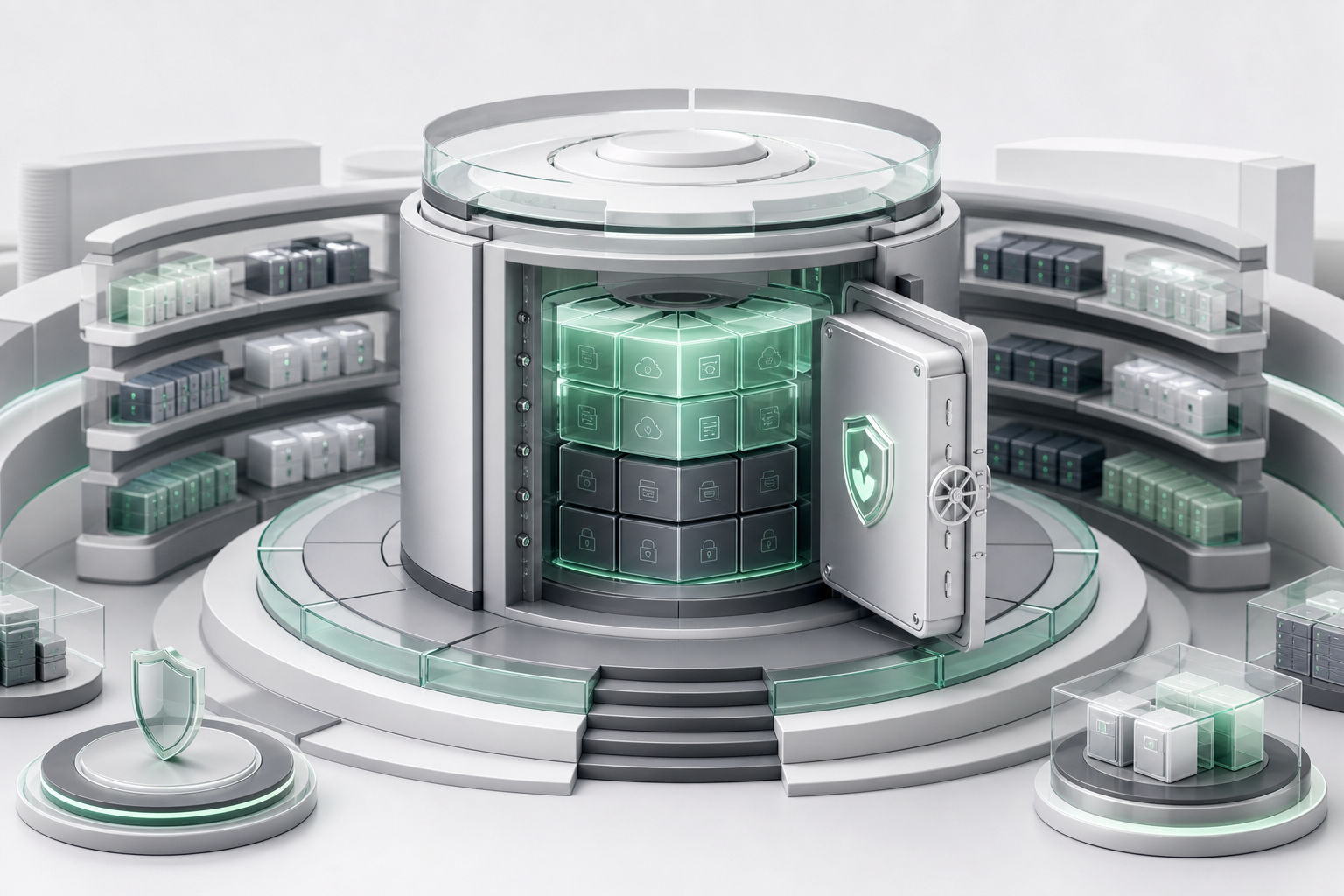
A repository is more than a place where backup files rest. It is part of the recovery chain, and its design affects capacity, speed, security, and confidence. Veeam Backup & Replication can work with different storage approaches, but the repository choice should be connected to recovery objectives rather than convenience alone.
Veeam Backup and Replication repository capacity
Capacity planning starts with protected data size, change rate, retention, job frequency, compression, deduplication behavior, and growth. A repository that looks large on day one can become risky if change rates rise or retention expands. Administrators should model expected growth and leave operational headroom for synthetic operations, temporary tasks, and emergency recovery activity.
It is also important to separate production storage assumptions from backup storage assumptions. A fast production array may not be the right repository target, and a cheap storage pool may not deliver the restore performance a critical service requires. Design should follow the service tier, not the other way around.
Veeam Backup and Replication restore speed
Restore speed depends on repository performance, network paths, proxy placement, workload size, and the chosen recovery method. A repository that can receive data at night may still be slow when many systems need to return at once. Recovery planning should include practical measurements, not just vendor or storage specifications.
Small test restores are useful, but teams should also consider larger scenarios. What happens when a primary cluster fails? What if a repository is reachable but slow? What if a recovery target has less capacity than expected? These questions help avoid designs that look acceptable only during normal operations.
Veeam Backup and Replication access control
Repository security deserves the same attention as production administration. Limit who can change retention, remove restore points, alter repository settings, or access backup files directly. Service accounts should use only the permissions required for their role. Administrative convenience can become a serious weakness if an attacker reaches the backup environment.
The anchor for repository design is recoverability. If a repository can be easily altered by the same accounts that manage production systems, a destructive incident may affect both the original workload and its recovery path. Use separation, monitoring, and change approval to reduce that risk. A practical overview of Free Veeam Backup and Replication concepts can help new team members understand why the repository is a security boundary.
Veeam Backup and Replication documentation
Document repository purpose, storage type, retention expectations, capacity thresholds, access owners, alert recipients, and recovery dependencies. Keep the document short enough to remain useful. During an incident, people need clear facts: where data lives, who can approve access, and what limitations apply.
Repository design is never finished. Workloads grow, threat models change, and recovery expectations become stricter. Review repository health and fit at regular intervals, especially after major application changes or business expansions.